
Business owners usually know they’ve outgrown their space before they admit it. The signs are hard to miss. The team is constantly working around each other. Customers are waiting longer than they should. Every table is full, every appointment is booked, and you’ve reached a point where demand is there, but the commercial space won’t let you grow any further.
Share:








Some of the best opportunities are the ones people walk right past. Everyone loves a polished, move-in-ready space. It’s easy to picture your business there because someone else has already done the hard work. The problem is that everyone else sees the same thing.
Share:
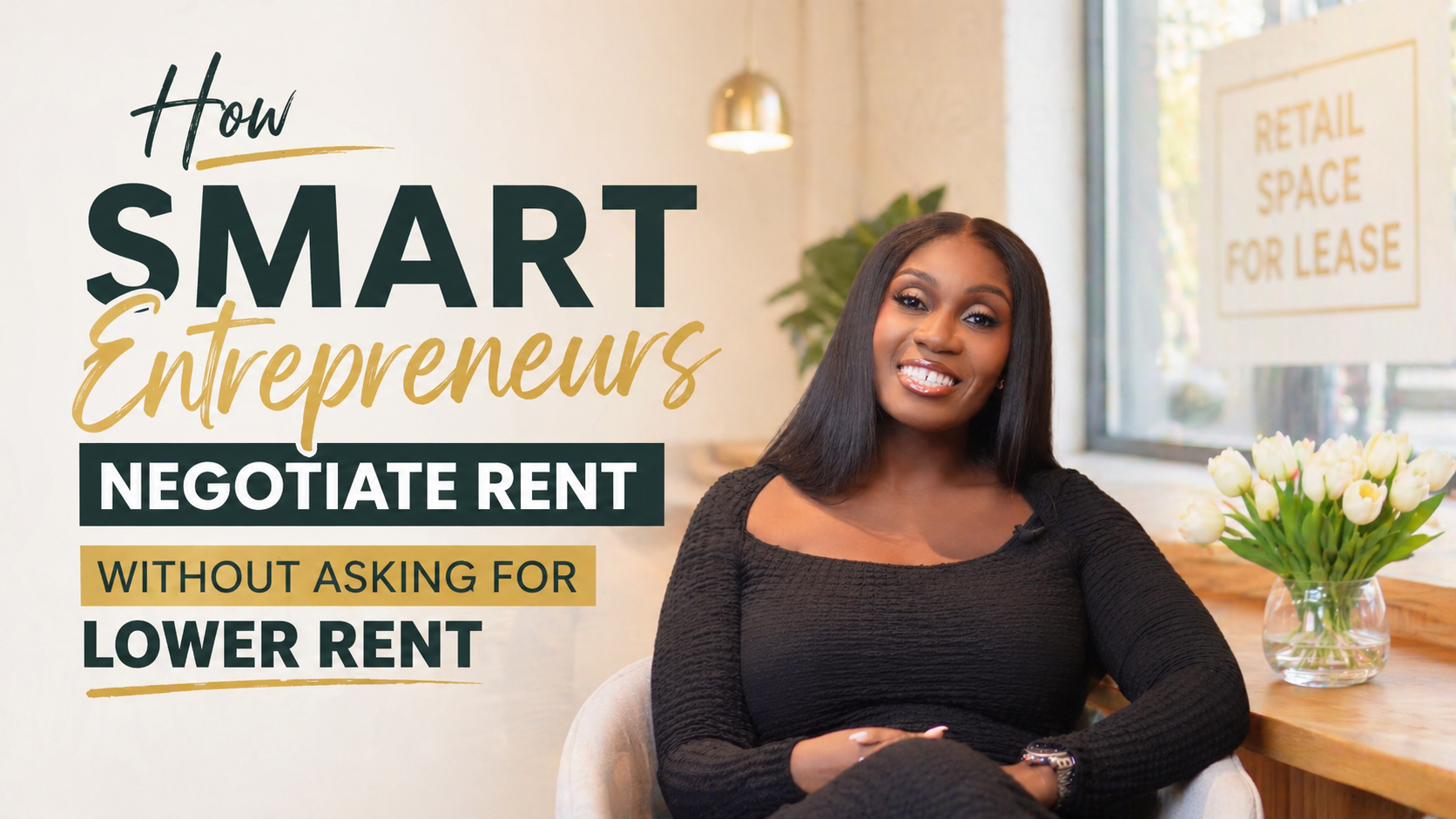
When I negotiate a commercial lease, I look at the entire structure, not just the monthly number. Free rent, buildout support, tenant improvement allowances, the lease start date, and other concessions can sometimes create more value than a lower asking rent.
Share:
Just because a business is doing well online doesn’t automatically mean it’s ready for a brick and mortar location. A physical space brings an entirely different set of expenses, responsibilities, and operational challenges.
Share:

It surprises me how many first time business owners try to lease commercial space without representation. I represent both landlords and tenants, and whenever someone approaches one of my listings without a broker, I always wonder why.
Share:
In my years as a commercial real estate specialist, I’ve noticed that the tenant offering the most rent isn’t always the one you want to sign. It’s easy to get excited when someone is willing to pay above asking. Every property owner wants to maximize income. But I’ve learned that the better question is whether that business is likely to succeed.
Share:
Most tenants don’t realize how much can actually be negotiated. Not just rent, but protections, concessions, and terms that impact your business long term. If you don’t have someone who understands how to structure that for you, you’re going in blind.
Share: