
In commercial real estate, the strategy changes because the business changes. That’s why I don’t believe in searching every listing and hoping one works. Before we start touring commercial spaces, I want to understand your business. What has your first location taught you? Where are your customers coming from? What are you trying to accomplish with the next one?
Share:








Some of the most profitable businesses don’t choose the best-looking commercial spaces, they choose the right ones. Those imperfect spaces usually come with better terms, more flexibility, and room to create something that actually stands out.
Share:

I’ve learned through representing commercial property owners that leasing a commercial space isn’t just about finding someone willing to pay the rent. The right commercial tenant should make sense for the property, the neighborhood, and the business itself.
Share:
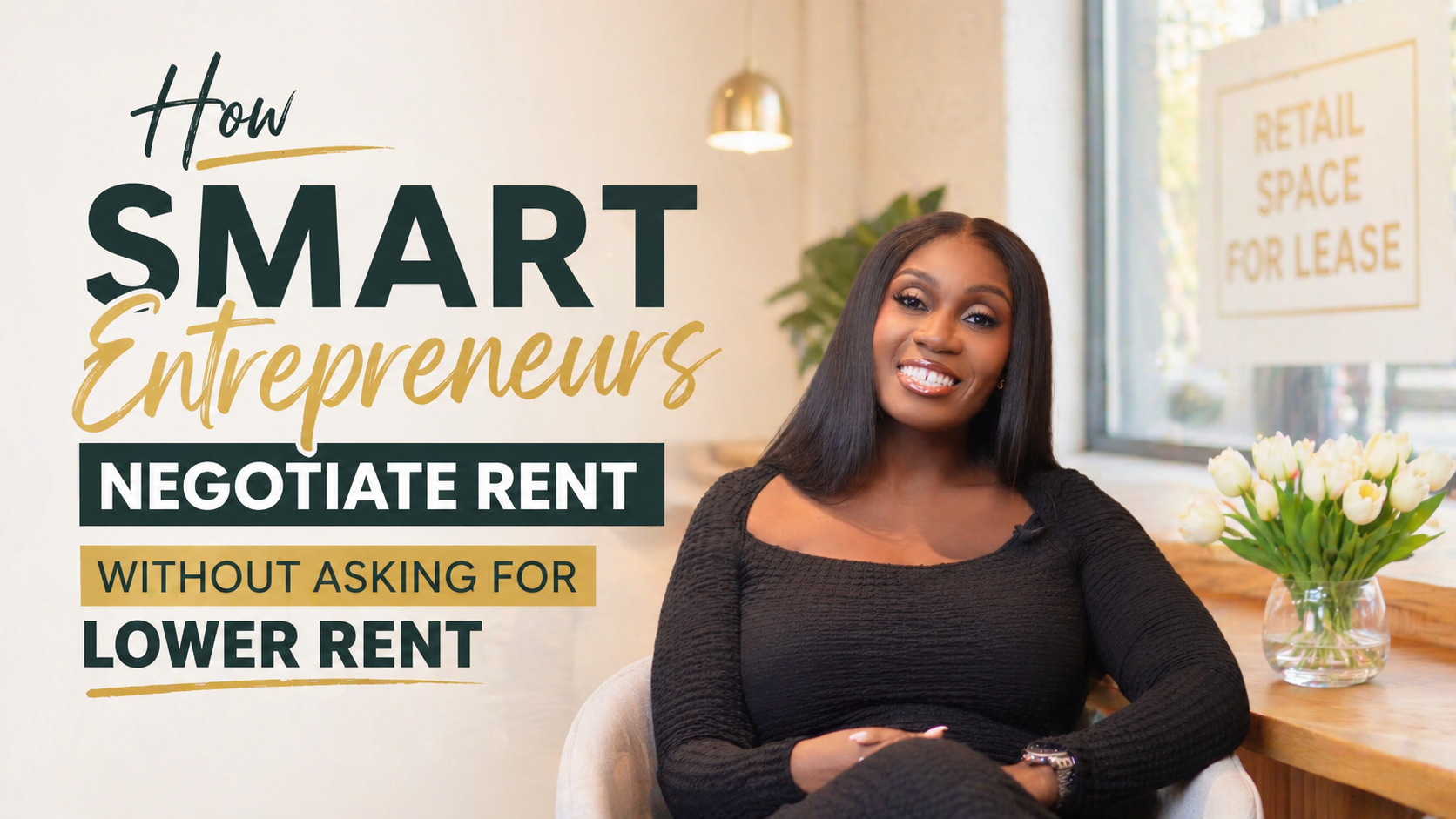
When I negotiate a commercial lease, I look at the entire structure, not just the monthly number. Free rent, buildout support, tenant improvement allowances, the lease start date, and other concessions can sometimes create more value than a lower asking rent.
Share:

The right space is not just about what looks good or what is available right now. It should work for your customers, your budget, your daily operations, and the business you are trying to build.
Share:
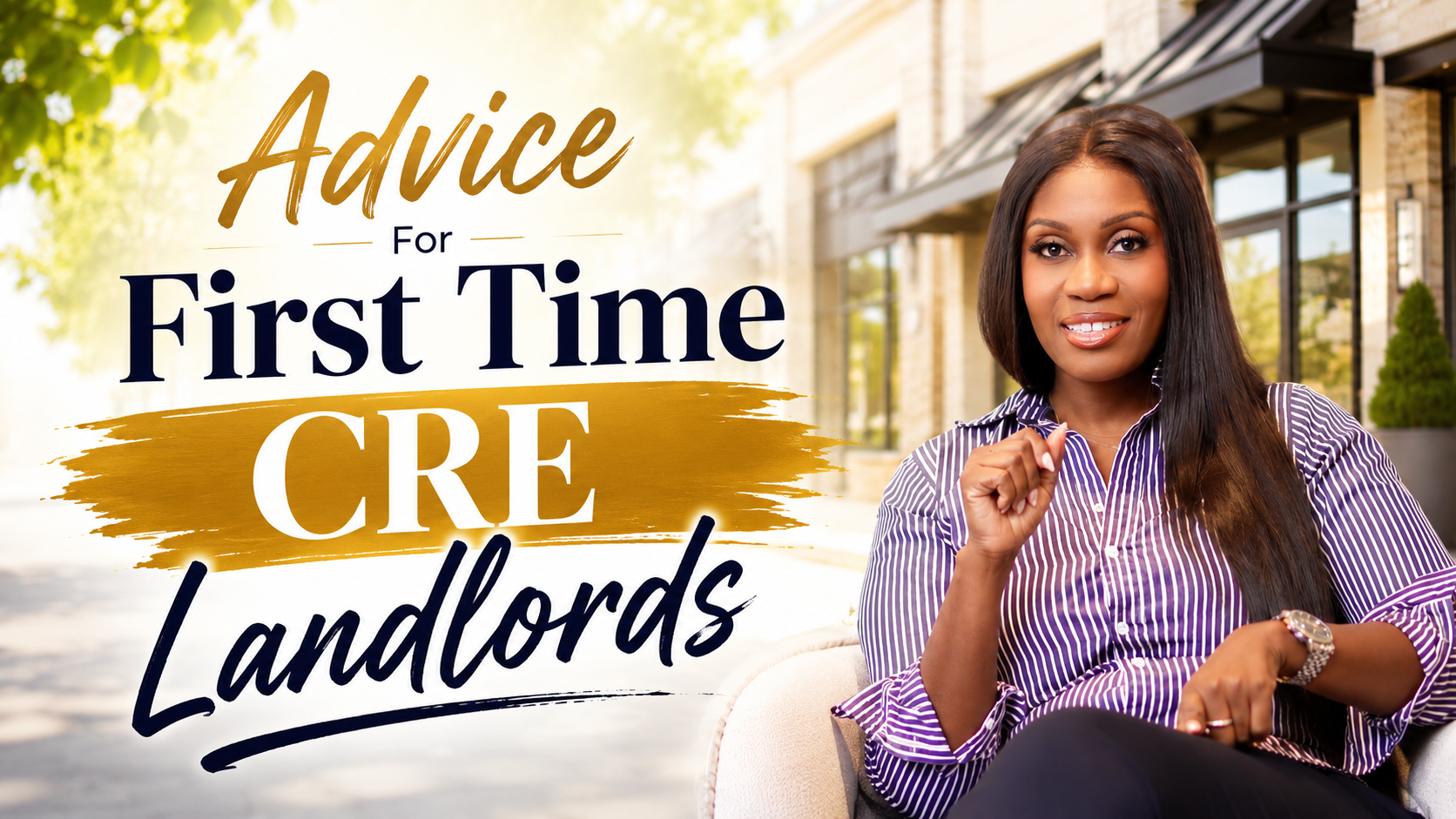
Whether you own a retail storefront, mixed-use building, or another commercial property, the right tenant can help reduce turnover, limit default risk, and support the long-term value of your asset.
Share:

It surprises me how many first time business owners try to lease commercial space without representation. I represent both landlords and tenants, and whenever someone approaches one of my listings without a broker, I always wonder why.
Share:

In my years as a commercial real estate specialist, I’ve noticed that the tenant offering the most rent isn’t always the one you want to sign. It’s easy to get excited when someone is willing to pay above asking. Every property owner wants to maximize income. But I’ve learned that the better question is whether that business is likely to succeed.
Share:
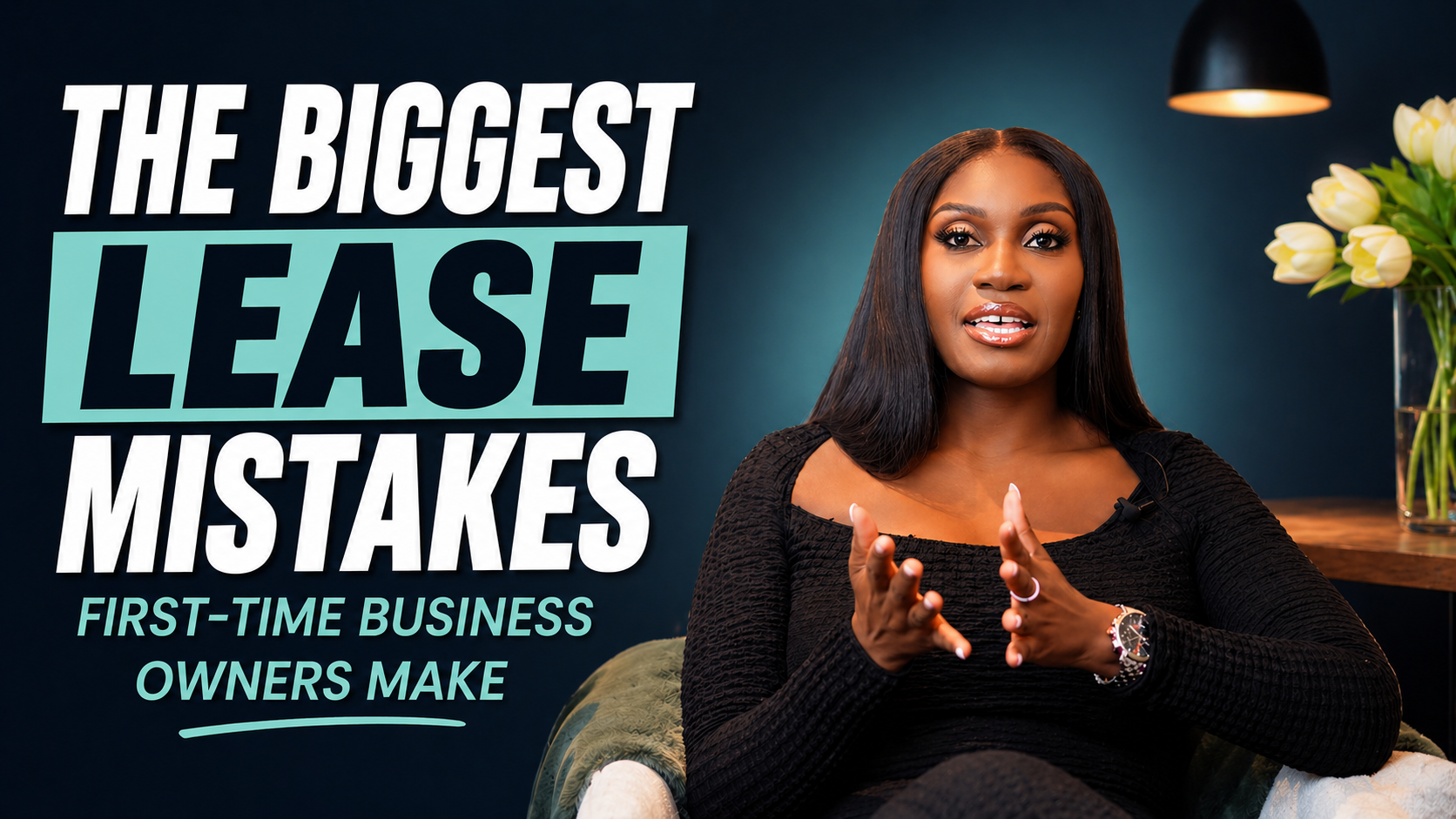
Most tenants don’t realize how much can actually be negotiated. Not just rent, but protections, concessions, and terms that impact your business long term. If you don’t have someone who understands how to structure that for you, you’re going in blind.
Share:

When I’m representing landlords, I’m always looking to be transparent about the type of business that will succeed in your space.
Share: