
Another one of the biggest mistakes I see commercial tenants make is waiting too long to think about their lease renewal. If you are only starting the conversation a few weeks before the lease expires, you may already have given up a lot of your leverage because the landlord knows relocating the business may no longer be realistic.
Share:








Living and working in New York City for as long as I have, one of the things I appreciate most is how much the city puts in front of you. As a commercial real estate broker, I also get to see the city from a business perspective. I see companies open, expand, relocate, reposition, and respond to what is happening around them. You start to notice which neighborhoods are changing, where new activity is coming from, and how quickly people adapt.
Share:

AI asks me the questions, and I give real answers based on more than 20 years of experience as an entrepreneur and commercial real estate specialist in New York City. I get to share what I’ve learned from building businesses, making decisions, navigating challenges, and working in commercial real estate.
Share:

I’ve noticed is that when people plan to open a brick and mortar business, they usually do a great job estimating the obvious expenses. They know they’ll have rent, utilities, insurance, and renovation costs. Those are expected. It’s the expenses beyond the lease that catch people by surprise.
Share:

One thing I’ve seen over the years is that wealth does not always start with making more money. A higher income helps, of course, but if there is no structure behind it, that money can disappear just as quickly as it comes in. The people I see build wealth most consistently usually have a clear understanding of what is coming in, what is going out, what they are saving, and what they are putting to work.
Share:
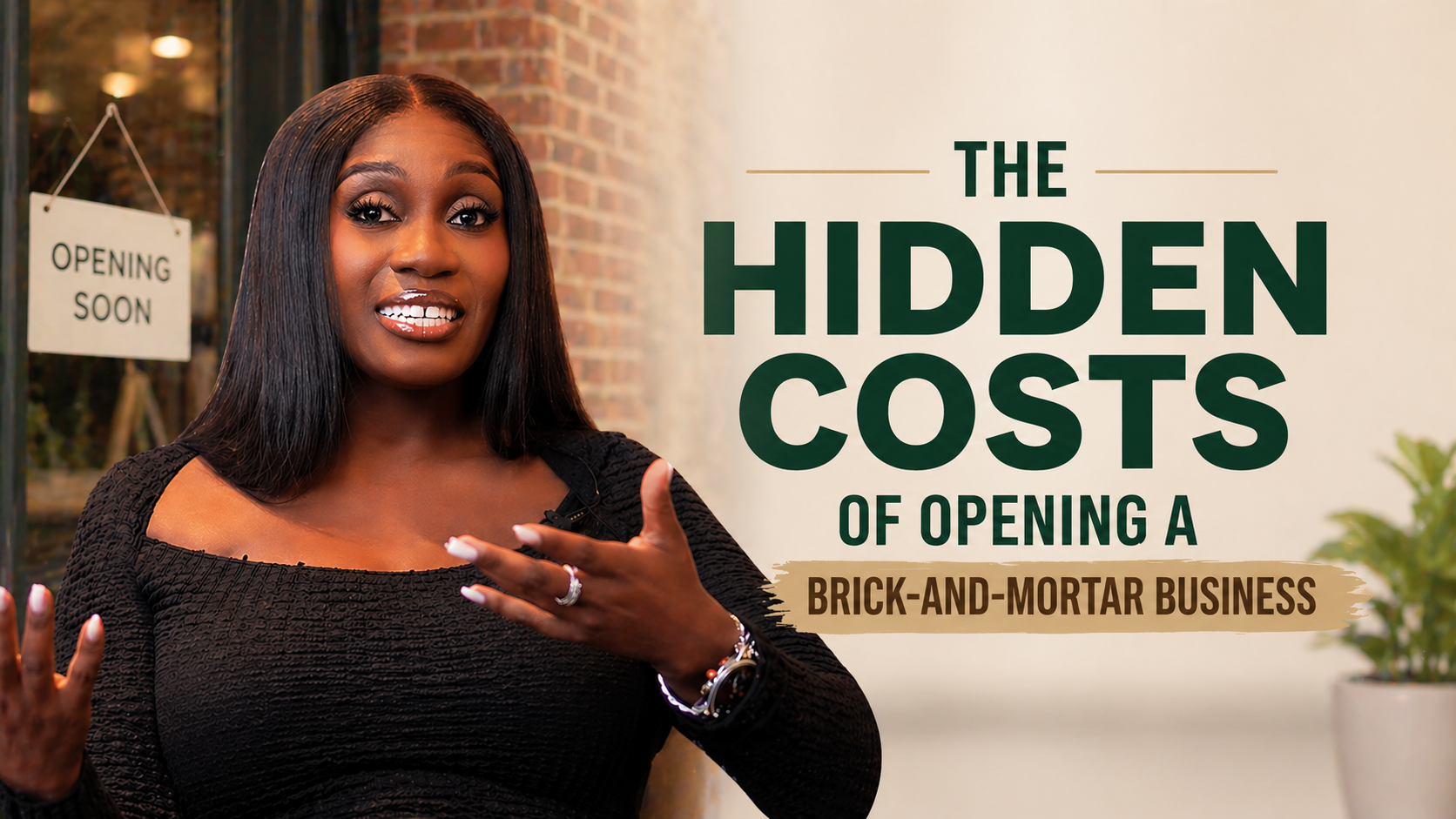
The biggest costs in a brick and mortar aren’t the ones you plan for. It’s everything else that adds up. Staffing, systems, maintenance, marketing, things breaking, things needing to be replaced.
Share:

In commercial real estate, the strategy changes because the business changes. That’s why I don’t believe in searching every listing and hoping one works. Before we start touring commercial spaces, I want to understand your business. What has your first location taught you? Where are your customers coming from? What are you trying to accomplish with the next one?
Share:

As commercial real estate portfolios grow, the conversation eventually becomes about more than buying the next property. At some point, you have to think about how much of that wealth you are actually keeping, how your assets are structured, and what happens to them in the future.
Share:

Some of the most profitable businesses don’t choose the best-looking commercial spaces, they choose the right ones. Those imperfect spaces usually come with better terms, more flexibility, and room to create something that actually stands out.
Share:
In commercial real estate, every property owner has a different story. No two situations are exactly alike. That’s why I don’t believe in offering the same strategy to everyone. Some clients have owned a building for decades and are thinking about selling. Others have a vacant storefront they’re ready to lease. Some inherited a commercial property and aren’t sure what the next step should be. Others are actively growing a portfolio and looking for their next opportunity.
Share: